If you live or work in Sudbury, you know the routine. From November to April, boots bring in snow, slush, sand and road salt. As the slush dries, it can leave a white, powdery film on floors, and the grit underneath can scratch and wear the surface. A few simple habits make a big difference, at home and in a business.
Stop it at the door
The easiest way to keep salt off your floors is to keep it from travelling past the entrance.
- Use two mats. A tough mat outside for scraping boots, and an absorbent one inside to catch what is left.
- Make it easy to take boots off. A boot tray or a rack near the door keeps wet boots on a hard surface that is easy to wipe.
- Make the mats big enough. A small mat is walked past in two steps. A longer mat lets people take several steps on it.
- Shake out and vacuum mats often. A mat full of grit just passes it on to the floor.
Clean the white film properly
The white film from road salt is usually dissolved by a damp mop, but it needs to be removed rather than spread around.
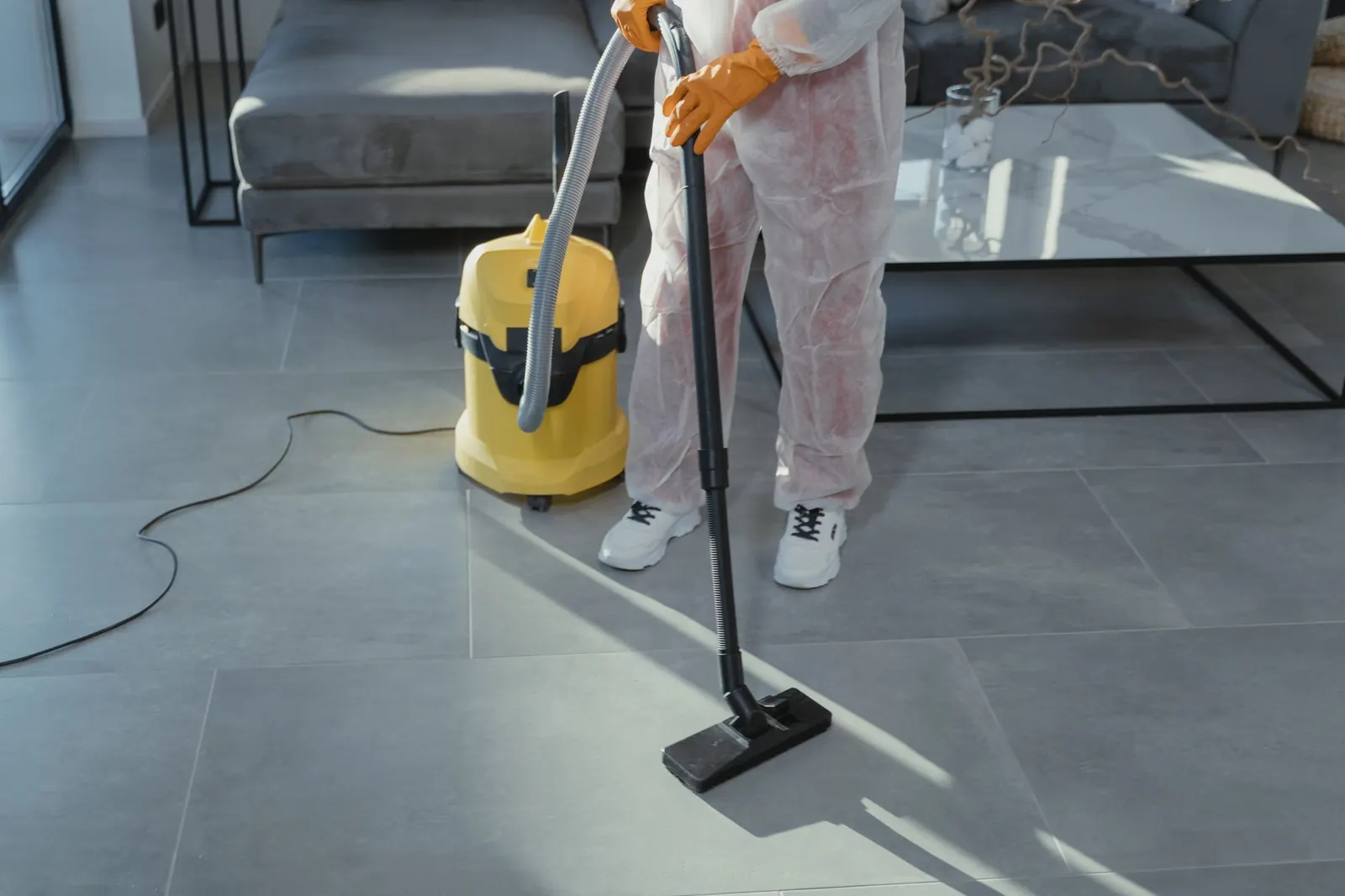
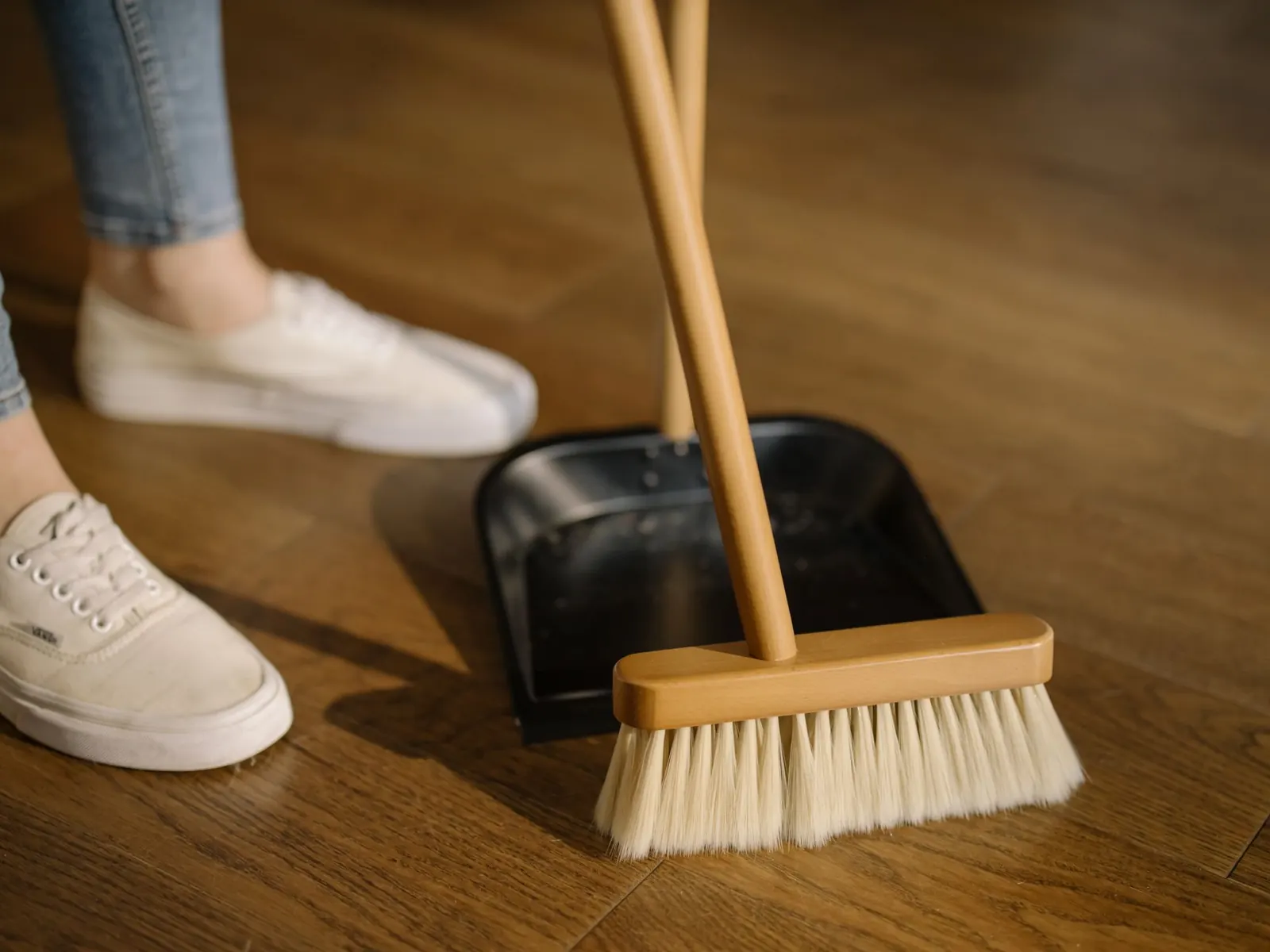
- Sweep or vacuum first so grit is not dragged across the floor.
- Mop with clean water, and change it often. Salty water left on the floor just leaves another film.
- Use a cleaner that is suitable for your floor type. Check the manufacturer's guidance, especially for hardwood, laminate and vinyl.
- Dry any wet areas, and do not let water sit on wood or in seams.
Avoid harsh or very acidic cleaners unless the flooring manufacturer says they are safe. If you are unsure, test on a small hidden area first.
At home
- Clean the entrance zone more often than the rest of the house during winter, even if it is only a quick sweep and a damp mop.
- Wipe down the base of nearby walls, which pick up splashes.
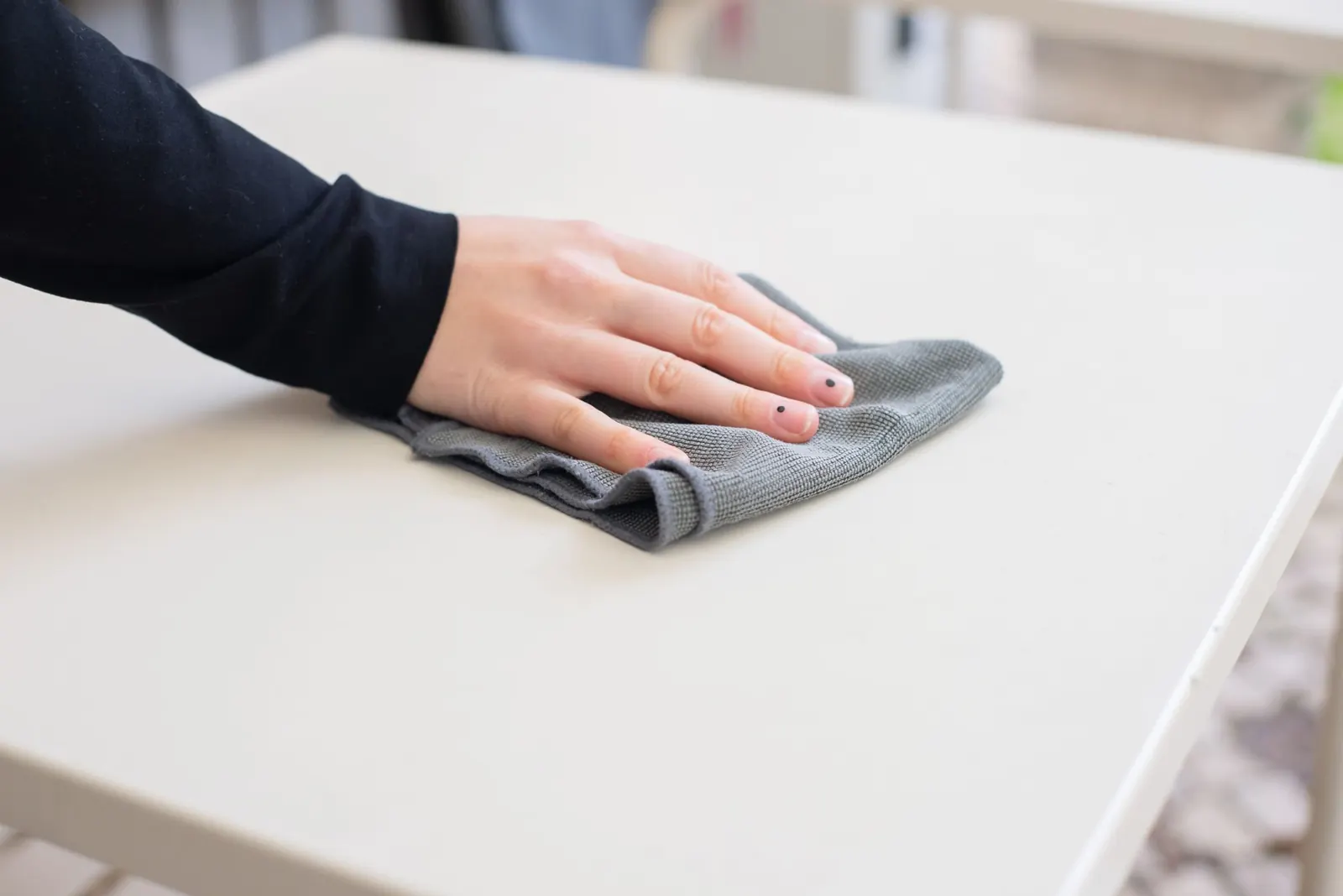
- Keep a small mop or cloth by the door for quick wipes.
In a business
For offices, restaurants and shops, the entrance is the first thing customers see, and the most likely place for someone to slip on a wet floor.
- Use large walk-off mats at every entrance, and check them during the day.
- Plan for more frequent entrance cleaning in winter, even if the rest of the space stays on its normal schedule.
- Place a wet floor sign when mopping, and keep walkways dry where you can.
- Wipe glass doors and handles, which pick up salt spray.
A good cleaner will adjust for winter if you ask. At the assessment, mention how much traffic comes through the door and when, and agree on extra attention for the entrance from November to April.