A clean office does not happen by accident. It happens because someone knows what needs doing and when. This checklist breaks office cleaning into daily, weekly and monthly tasks, so you can use it yourself or hand it to a cleaner and agree on exactly what is included.
Daily
- Empty garbage and recycling, and replace the liners.
- Clean and disinfect washrooms: toilets, sinks, counters, mirrors, and floors.
- Wipe kitchenette and break room counters, the sink, and the outside of appliances.
- Wipe shared surfaces and high-touch points: door handles, light switches and handrails.
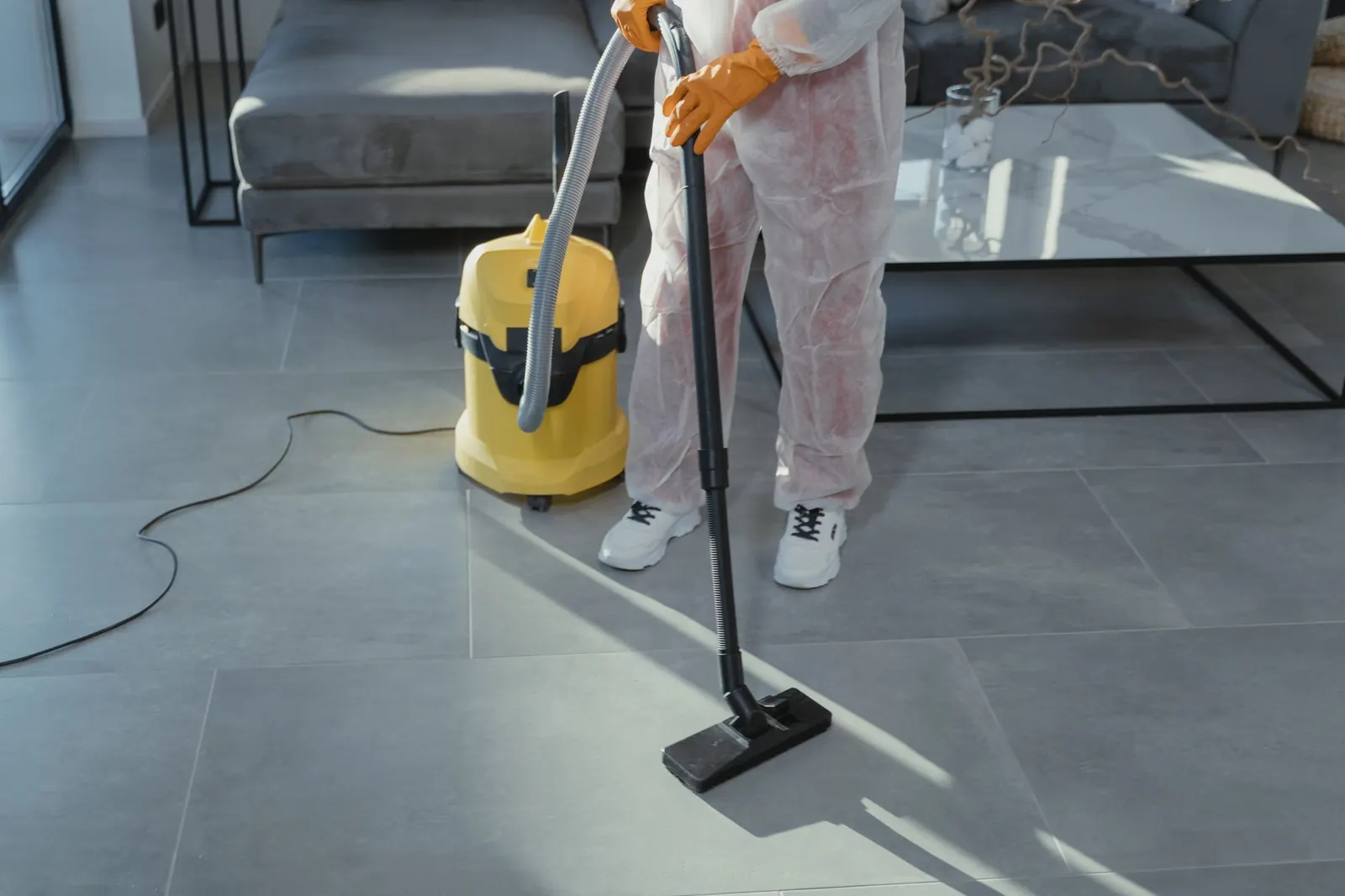
- Vacuum or sweep and mop main walkways, the entrance and the reception area.
- Wipe reception counters and any shared tables.
- Clean the inside of entrance glass where hands and bags touch it.
Weekly
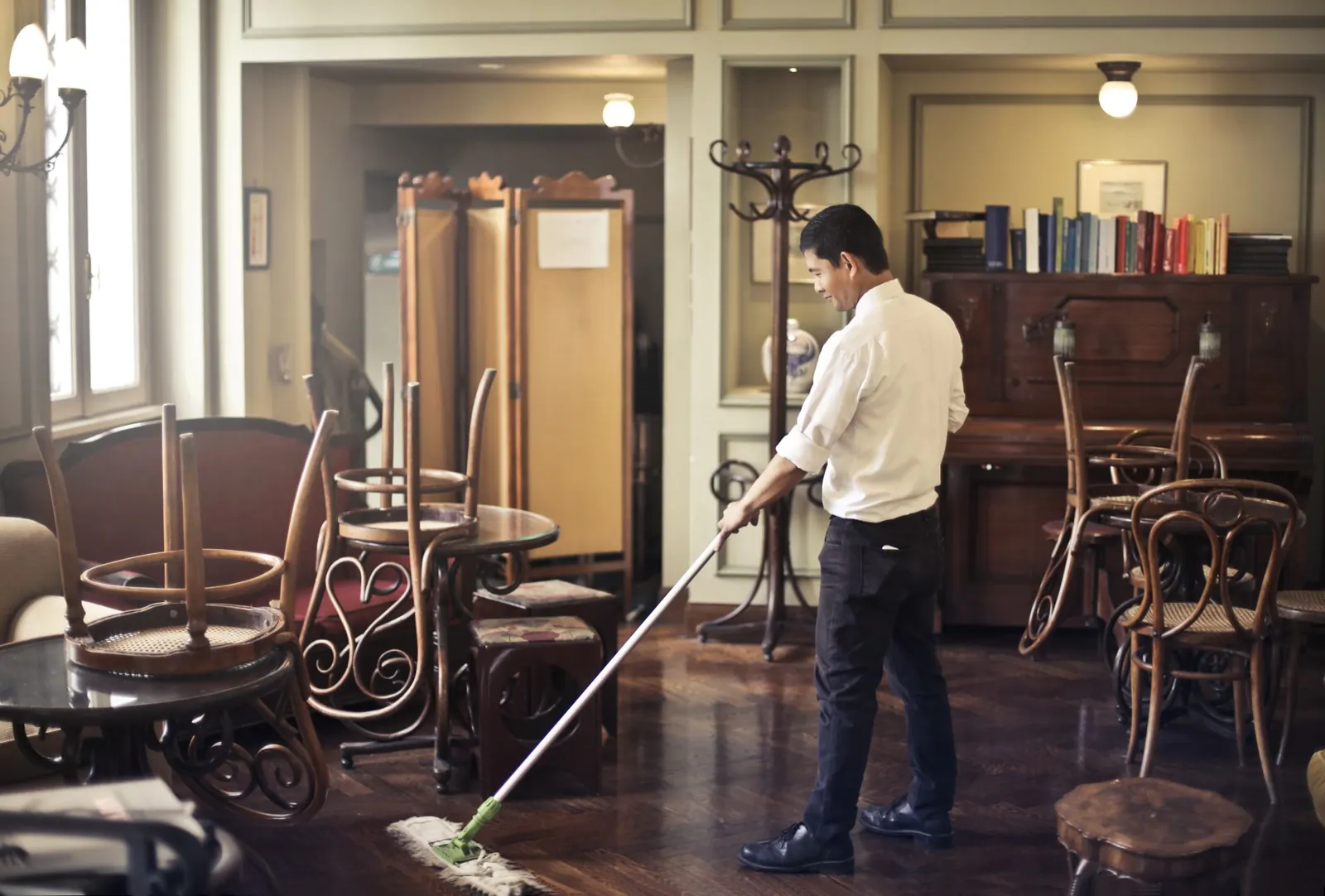
- Vacuum all carpets and mop all hard floors, including corners and edges.
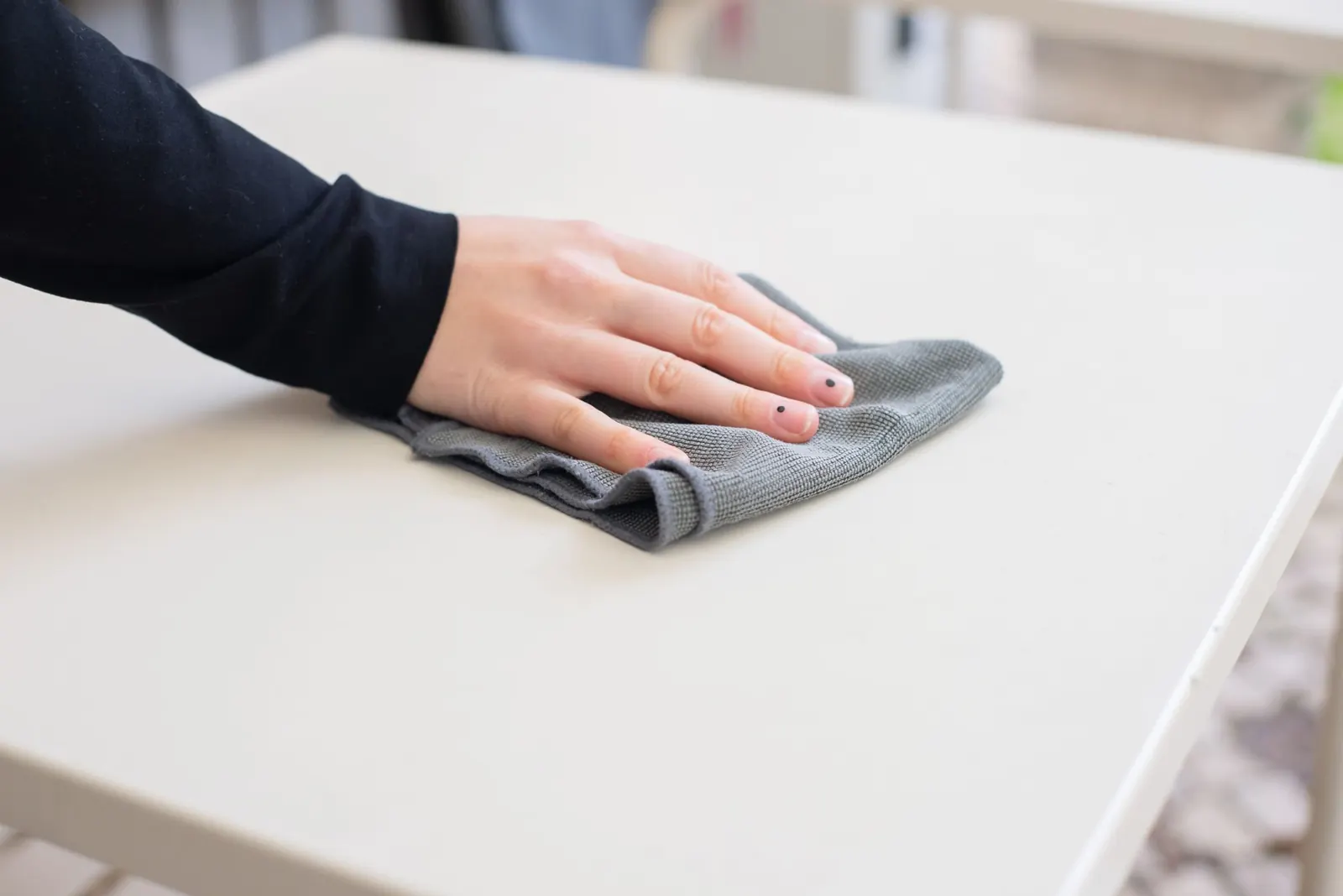
- Wipe desks and work surfaces. Ask staff to clear personal items so the whole surface can be reached.
- Tidy and wipe meeting rooms, including tables, chair arms and any shared remotes or controls.
- Clean the microwave and the fridge handle, and wipe the coffee machine.
- Dust reachable shelves, window sills and ledges.
- Spot clean walls and doors where marks build up.
Monthly
- Wipe baseboards and door frames.
- Dust vents and grilles that can be safely reached.
- Clean light switch plates and thermostats.
- Clean the inside of windows and glass partitions.
- Vacuum under and behind furniture that can be moved easily.
- Clean the inside of the fridge and any shared cupboards.
The spots most offices forget
These are touched constantly and cleaned rarely:
- Door handles and push plates, especially on washrooms and the main entrance.
- Light switches and thermostats.
- Phone handsets and shared keyboards. Follow the manufacturer's cleaning guidance for electronics.
- Shared kitchen items: kettle handles, fridge handles and tap handles.
- Chair arms and the backs of chairs in meeting rooms.
- Photocopier and printer buttons.
How to split the work
Most offices end up with a mix: staff handle small things like wiping their own desks and rinsing mugs, and a professional cleaner handles the rest. The trick is to put it in writing. Agree who does what, so nothing falls through the gap between "I thought the cleaner did that" and "I thought you did".
It also helps to ask staff for a few simple habits: clear the desk surface at the end of the day, take food waste to the main bins, and wipe up spills straight away. Small habits make every professional clean more thorough.
Match the schedule to the space
How often each task needs doing depends on how many people use the office and how much foot traffic it gets. Washrooms and kitchens usually need attention most often. Our guide to how often an office should be cleaned will help you choose a rhythm.