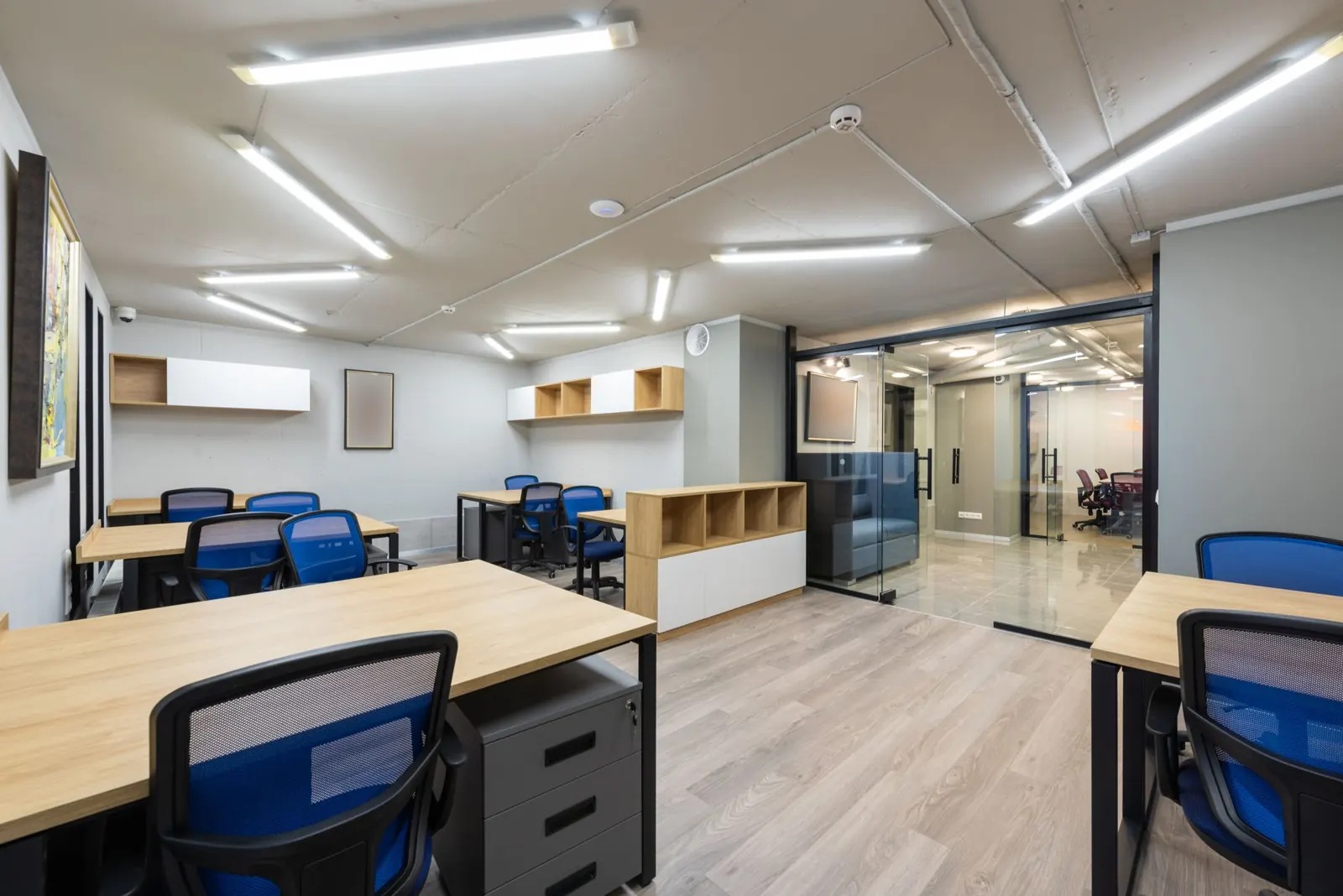
A restaurant opens to its customers every day, so it has to be clean every day. The closing routine is where that happens. This checklist covers the general cleaning of the dining room, bar, washrooms and floors. Food safety rules for the kitchen are a separate matter, so follow the requirements from your public health unit for anything that touches food.
Entrance and front of house
- Clean the inside and outside of entrance glass and wipe door handles and push plates.
- Shake out or vacuum entrance mats and sweep the doorway. In winter, check this area twice, because salt and slush collect here.
- Wipe the host stand, menu holders and any payment terminals according to the manufacturer's guidance.
Dining room
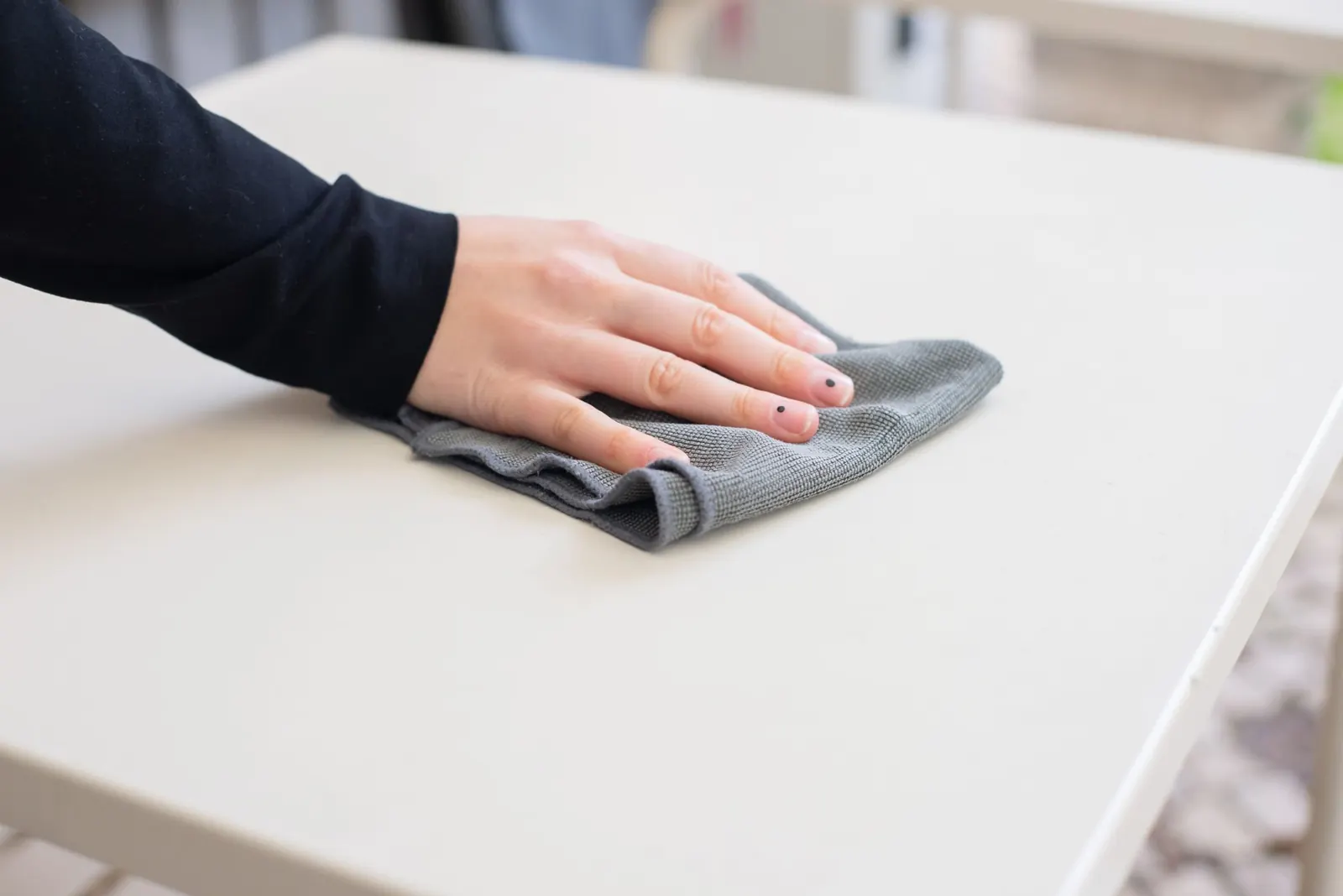
- Clear and wipe every table, then wipe chairs, booth seats and backs, since these are touched constantly.
- Clean condiment holders and table items. Wash and refill them rather than just wiping the outside.
- Wipe window ledges and any shared surfaces like a waiting bench.
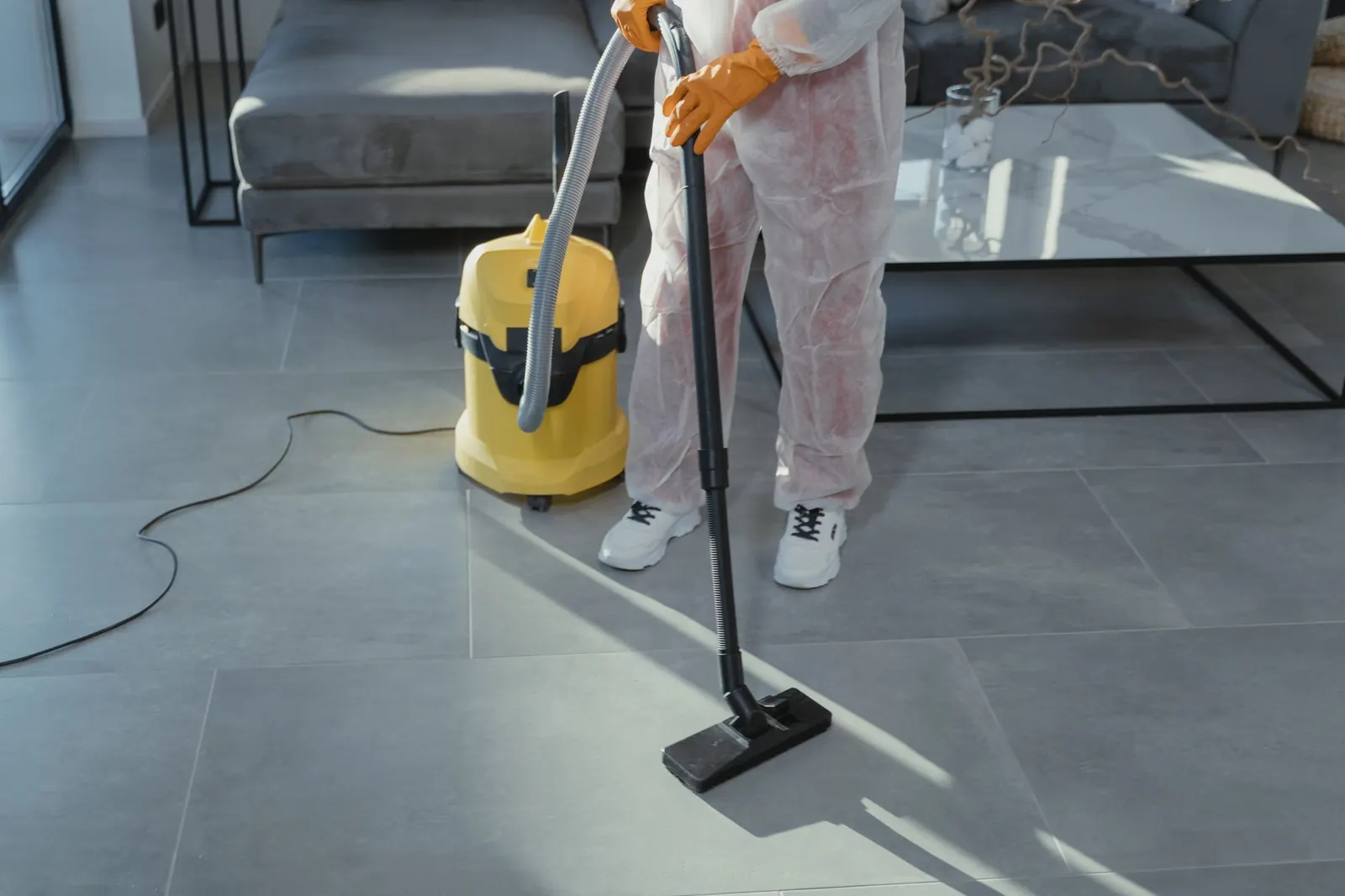
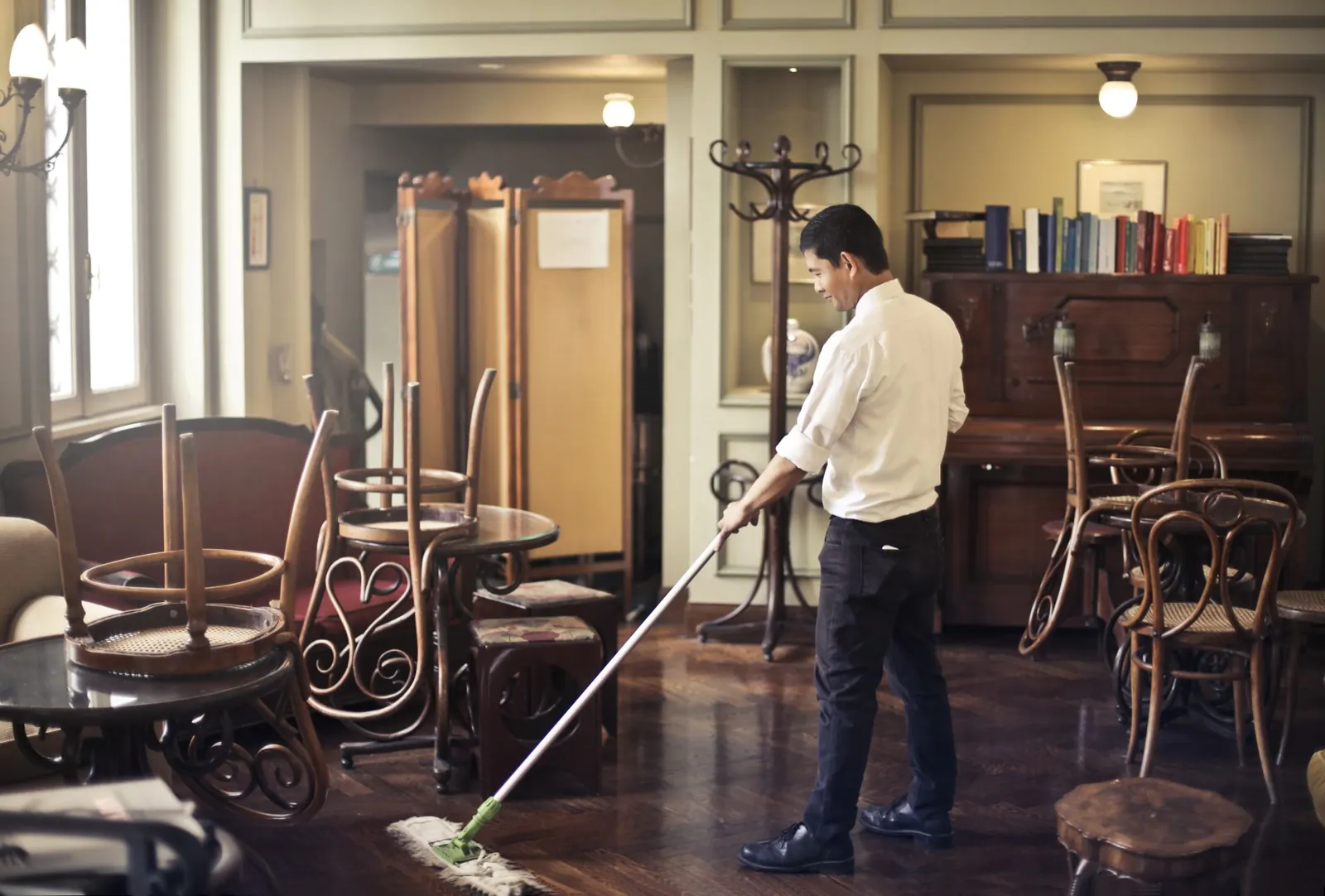
- Sweep, then mop. Move chairs so the whole floor gets cleaned, not just the middle of the room.
Bar
- Wipe the bar top, rail and the front of the bar where hands and elbows rest.
- Clean stools, including the footrests and the underside of the seats.
- Wipe the outside of fridges, taps and equipment.
- Clean the floor behind and in front of the bar. Sticky spots collect here.
Washrooms
- Clean and disinfect toilets, sinks, counters and mirrors. Follow the contact time printed on your disinfectant label.
- Wipe door handles, stall locks and dispensers.
- Restock paper and soap.
- Empty bins and mop the floor, including around the base of toilets.
Back hallways and staff areas
- Sweep and mop hallways that customers or staff use.
- Wipe handles, switches and the staff break area.
- Empty garbage and recycling and take it out.
Weekly extras
- Baseboards and door frames.
- Under and behind booths and tables where crumbs collect.
- Upholstery: vacuum booth seating and spot clean marks.
- Vents and grilles that can be safely reached.
Who does what
Most restaurants split the closing routine. Kitchen staff handle food prep areas and anything covered by your food safety plan. The rest of the general cleaning, such as the dining room, washrooms, entrance and floors, is a good fit for a professional cleaner. That keeps your team focused on service and gives you a clean room every morning without relying on tired staff at the end of the night.
If you do hire a cleaner, agree the scope in writing so there is no confusion about which areas are included, particularly anywhere near the kitchen.
Why reliability matters most
For a restaurant, a cleaner who misses a night is a bigger problem than a cleaner who is a little less thorough. When you compare cleaners, ask how they handle weekends and holidays, and check recent reviews for mentions of reliability. Our guide to choosing a commercial cleaner has more questions to ask.